
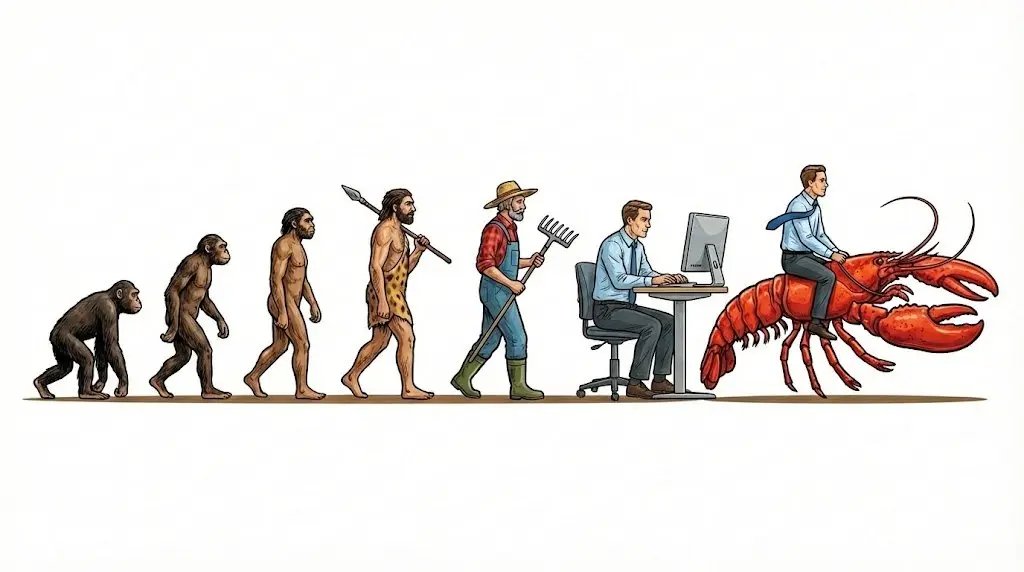
SAN JOSE — In what could be the most significant endorsement OpenClaw has received to date, Nvidia CEO Jensen Huang called the open-source AI agent framework "definitely the next ChatGPT" during his keynote at the company's annual GPU Technology Conference (GTC) on Tuesday.
The comment came during Huang's demonstration of NemoClaw, Nvidia's enterprise-focused distribution of OpenClaw designed to address security concerns that have plagued consumer AI assistants in corporate environments.
"A new operating system for personal AI"
"OpenClaw represents a new operating system for personal AI," Huang said, demonstrating an agent that autonomously scheduled meetings, drafted emails, and managed research tasks across multiple applications. "What ChatGPT did for conversation, OpenClaw will do for action."
NemoClaw, the enterprise variant announced at GTC, adds policy-based security guardrails, network isolation, and administrative controls—features Huang described as "the missing infrastructure layer beneath agents."
China embrace, government wariness
The endorsement from Nvidia follows a remarkable shift in China, where OpenClaw has seen rapid adoption among consumers and businesses. According to a New York Times report published Tuesday, millions of Chinese users have installed OpenClaw, using it for research, communication, and productivity tasks.
However, China's government has expressed wariness about the autonomous capabilities of AI agents, with regulators reportedly considering new oversight requirements for agentic AI systems.
What this means for OpenClaw
The combination of Jensen Huang's public endorsement and enterprise momentum from Nvidia could dramatically accelerate OpenClaw's trajectory. At the same time, regulatory attention—particularly from China—presents a challenge the project will need to navigate carefully.
OpenClaw's open-source nature means anyone can build on the framework, but Nvidia's involvement signals that major players see the project as foundational infrastructure for the next generation of AI applications.